At AAE, we conduct consultations, interviews, workshops, and participatory spaces with individuals and communities across different territories. These activities are essential for understanding contexts, identifying risks, gathering knowledge, and building projects that better respond to local realities.
However, in fieldwork, there is something that we, as consultants, can easily forget: behind every participant, there is a life that continues while we do our job.
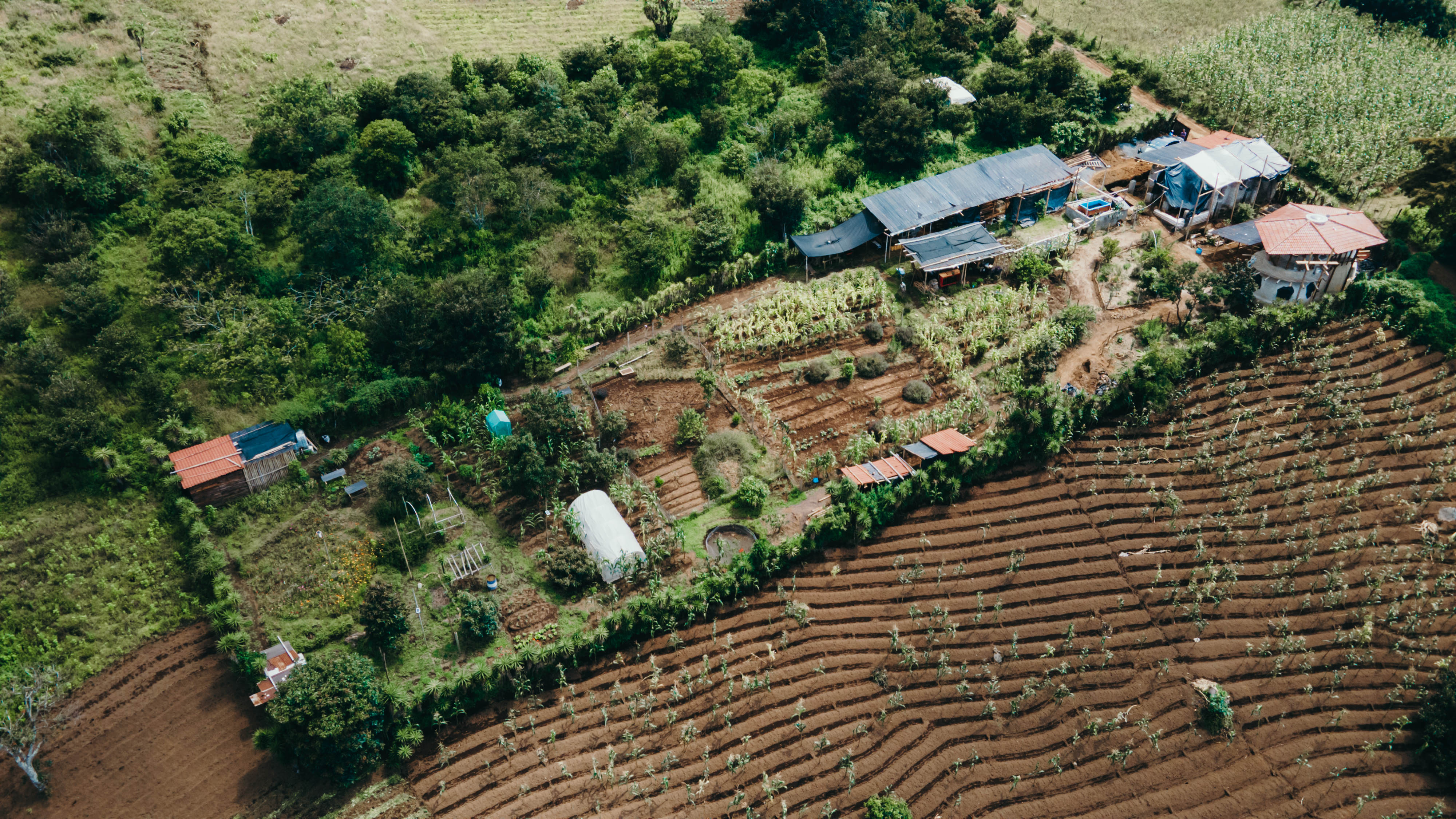
For us, a consultation might just be another item on a schedule. For someone in a community, it can mean leaving their farm for several hours, securing transportation, traveling rough roads, reorganizing their daily work, or finding someone to look after their children.
This leads us to a simple question: what does it truly mean to participate?
At AAE, we have tried to bring this perspective into how we organize our spaces. Some measures are simple, yet they can make a real difference:
Yet we have also learned that participation is not just a matter of logistics.
If someone is willing to travel for hours to attend a workshop, perhaps we should also ask ourselves if they always have to be the ones making the trip. Holding meetings on farms, in homes, at community halls, or in other spaces within the communities themselves can be a great alternative.
We can also look for ways our presence can bring simple benefits to local economies—buying from small neighborhood shops, hiring local services, or allowing participants to prepare the meals or refreshments for the activities whenever they offer to do so.
And, of course, we are not immune to making mistakes. Sometimes we use technical jargon, institutional concepts, or buzzwords that create unnecessary distance between us and the people we are working with.
Participation also means adapting the way we communicate. A safeguard, a risk, or a grievance mechanism does not necessarily have to be explained through a slide presentation. Instead, we can use:
A consultation does not begin when we open a presentation and ask the first question. It starts earlier—when we decide where to meet, whom we invite, how people will get there, what responsibilities they carry, and what we can do to ensure their time and knowledge are truly valued.